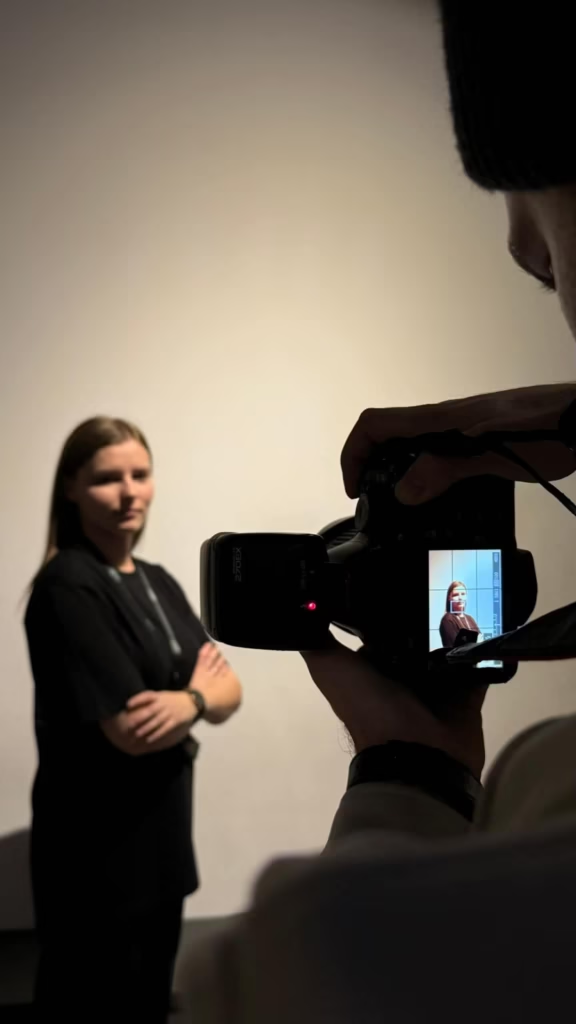
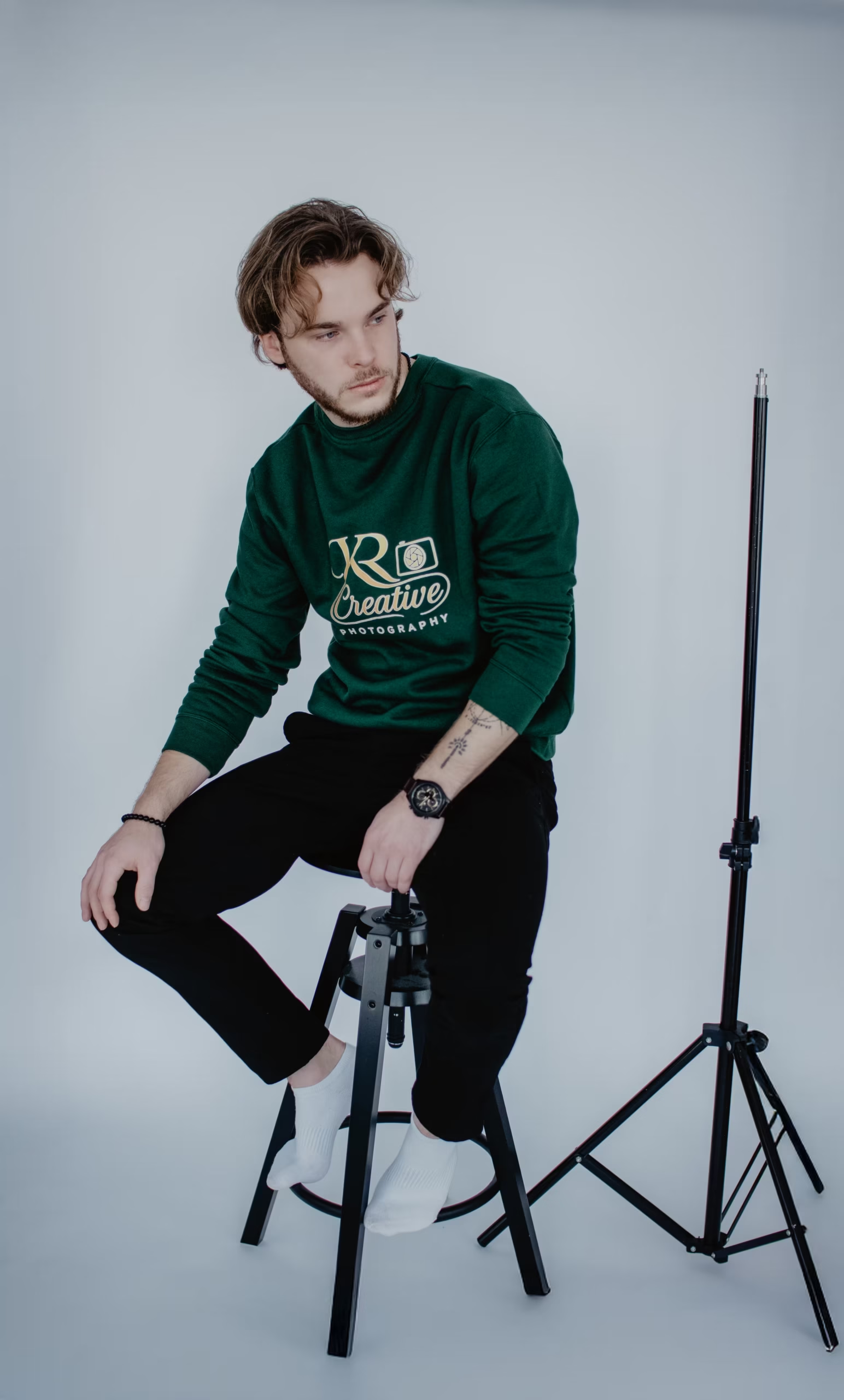
A portrait photo shoot often sounds more serious than it actually is. People imagine it as a moment when you need to know how to pose, be aware of your best angle and look confident at all times. In reality, a good portrait doesn’t start with a pose, but with a clear mood and a relaxed process.
You might need a portrait for work, for your personal image, for social media, or simply for yourself. It is no less important simply because there is no special occasion. Sometimes it is precisely these kinds of photo shoots that help a person see themselves in a different light: well-groomed, natural and with greater self-confidence.
First of all, set the mood
Before choosing an outfit or a venue, it’s worth asking yourself what sort of impression you want to make. Calm and gentle? More assertive and professional? Creative, but not too contrived? Once you’ve got a clear idea of the mood, many decisions become much simpler.
If the photo shoot is for work or your public image, it’s worth thinking about where the photos will be used. Your website, LinkedIn profile or social media posts may require different aspect ratios. You can find more practical preparation tips in the article how to prepare for a photo shoot.
Clothing should complement, not overshadow
In a portrait photo shoot, your outfit should complement you. Neat fabrics, clean silhouettes, calmer colours and clothes that you’ve already felt comfortable in usually work well. A brand-new outfit may look lovely on a hanger, but it can end up getting in the way during a photoshoot.
If you’re looking for a separate guide to what to wear, you might find this article useful What to wear for a photo shoot. It discusses colours, patterns, layers and family combinations in greater detail.
The studio, the city or the countryside?
A portrait photo shoot can take place in a studio, in the city, in the countryside or somewhere close to you. A studio is ideal if you want privacy, clean lighting and fewer people around. The city offers more rhythm and character, whilst the countryside provides a softer backdrop and greater freedom of movement. I’ve written more about choosing a studio here: studio photo shoot.
There isn’t just one right place. There is a place that best achieves the result you’re looking for and allows you to relax. If you feel uncomfortable in public spaces, a studio can be a very good place to start.
You don’t need to know how to pose
The most common fear is: ‘I don’t know how to pose.’ But a photo shoot isn’t an exam. The photographer sees the light, the angle, the posture and the small details that instantly transform the shot. If this topic makes you feel nervous, do have a read of this article how to pose naturally in photos.
If you’d like a portrait photo shoot, take a look at services and prices or write to us via contact form. Just give a brief description of the sort of photos you need and the mood you’d like to create.
Things to consider before getting in touch
Before contacting a photographer, you don’t need to have a complete vision for the entire photo shoot. A few pointers are enough: what the photos will be used for, what mood you’re looking for, whether you prefer a studio, an urban setting or the great outdoors, and whether there’s a specific deadline. These answers help to suggest a more suitable format, location and approach to preparation straight away.
If the portraits are to be used for professional purposes – for example, on a website, in a CV, on LinkedIn or for personal branding – it’s worth thinking about the aspect ratio in advance. Sometimes you need more vertical portraits, and sometimes horizontal shots with space for text. This preparation doesn’t make the photo shoot any more difficult, but it goes a long way towards ensuring you end up with photos that are actually usable.
A small detail that really enhances a portrait
Before a photo shoot, it’s worth thinking not only about what you’re going to wear, but also about the mood you’re bringing with you. If you’re after a more relaxed result, it’s best not to schedule a photo shoot between two urgent tasks. Tension really shows in a portrait, so an extra 20 minutes before the shoot sometimes makes more of a difference than a well-coordinated outfit.